In the sweltering summer of 1995, my parents loaded my brother, sister, and eight year old me into our tacky Dodge Caravan for a four-hour drive north from the suburbs of Miami to visit a certain Mr. Mouse in the Orlando area. I was desperately excited for the trip, and probably shot out more “When will we get there”s than my dad could handle. As we got onto the highway, he tossed me a yellow Sony Walkman portable cassette player to keep me quiet, and probably did not understand the ramifications of his simple actions: I had been serendipitously introduced to Queen, one of the greatest rock bands of all time. Before the trip was over, I had memorized the entire “Bohemian Rhapsody” (a feat I still brag about to this day), and had developed a profound liking for classic rock and roll.
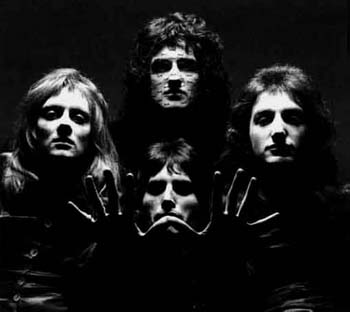
For obvious reasons, the group that stuck out the most to me for the first part of our class was the band Queen. Although all of the other bands we covered were important and unique in their own ways, I feel that Queen is one of the most remarkably diverse bands in rock and roll history. Not only was their music creative and different from what most other bands were doing at their time, but their visual style and eclectic performances also gave them an edge that made them stand out.

When I first came across the band’s music at the age of eight, I was attracted to their catchy sound and irresistible beat. Upon a critical revisiting of their music well over a decade later, I am more appreciative of their obviously strong musicianship, and brilliant ability to compose such complex structures. It is also interesting to see how they maneuvered between many diverse musical styles, such as rockabilly, opera, heavy metal, and even disco. Not only were they wildly creative, but they were also very skillful in their technical execution. The harmonies in their songs display their incredible vocal talent along with individual mastery over their instruments. I was also struck by the wide range of lyrical themes, which includes songs about love (“You’re My Best Friend”), to more playful, melodramatic subjects such as bicycles (“Bicycle Race”).
In addition to writing great music and producing creative albums, they also performed exceptionally during concerts and even incorporated their audiences, creating a historically powerful dynamic in their live shows. Although I was not alive to watch any of their live performances with Freddie Mercury, technology has permitted me to get a glimpse of what their shows were like. (Thanks, You Tube.) I was able to watch a recording of the 1985 Live Aid performance in London’s Wembley Stadium, and was amazed at the enthusiasm and showmanship of Freddie Mercury. I was particularly impressed watching him lead the 72,000-member audience in an operatic singing game, and can understand how this performance was voted as “The Greatest Live Gig Ever”.
Although each member of the band played an important role in making Queen a part of rock history, I believe that they would not have been as successful as they were had it not been for Freddie Mercury. Not only did he contribute his famously powerful voice to the band, but he also composed many of their hits, such as “Bohemian Rhapsody”, “Don’t Stop Me Now”, and “We Are the Champions”, along with many others. His flamboyant persona also added greatly to the image of the band, and still serves as a big inspiration to many musicians in all genres of music.

Almost 20 years after the demise of Freddie Mercury and the original lineup of Queen, it is amazing to see that their music and influence is still present in my generation’s popular culture. Whether it be thousands of fans at a sporting event singing “We Are the Champions”, or a few over-beveraged youths singing “Bohemian Rhapsody” at a karaoke bar, musical traces of Queen can still be heard around the world today, and will always remain as an important part of rock and roll history.